

Heart-Shaped Pearl Jewelry
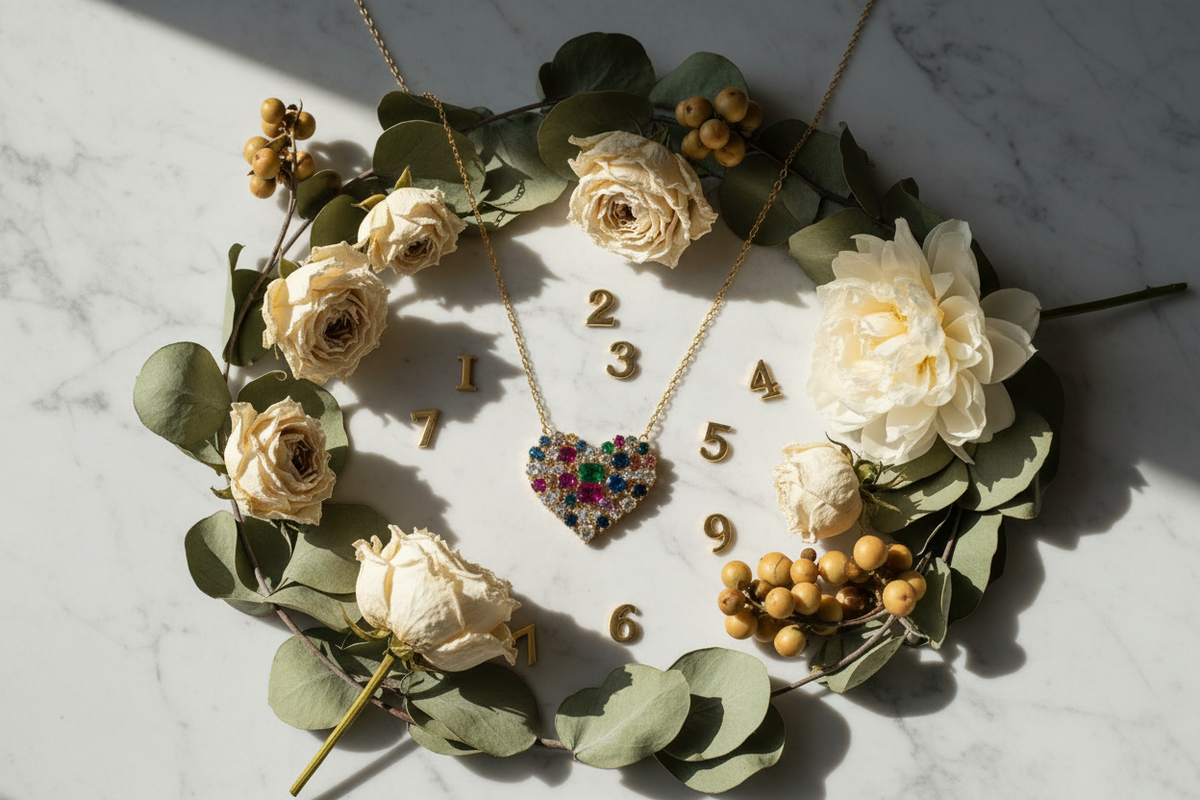
The Heart-Shaped Pearl Jewelry Series takes "conveying love" as the core design concept. It selects natural heart-shaped pearls, matched with S925 silver plated 18K gold and bright colored gems, covering pendants, bracelets, earrings, rings and other full-category jewelry.

-
Pearl Heart Drop Huggie Earrings in S925 Silver -
Iridescent Pearl Heart Stud Earrings in S925 Silver -
Heart-Shaped Pearl Stud Earrings in S925 Silver -
Pearl Heart Drop Earrings with Bow Detail in S925 Silver -
Molten-Texture Heart Pearl Stud Earrings in S925 Silver -
Pearl Toggle Lariat Necklace with Open Heart in S925 Silver -
Pearl Strand Necklace with Red Heart Pendant in S925 Silver -
Pearl Bracelet with Red Heart Charm in S925 Silver -
Open Pearl Heart Ring in S925 Silver -
Pearl Heart Drop Earrings with Ornate Frame in S925 Silver -
Pearl Heart Pendant Necklace with Gold-Tone Frame in S925 Silver -
Double Pearl Heart Hair Clip in S925 Silver


How are white pearls graded and valued?
White pearls are graded based on factors including size, shape, surface quality, luster, and nacre thickness. The most valuable pearls boast high luster, a round or near-round shape, a smooth surface, and minimal blemishes.
How to clean and care for white pearls?
To care for white pearls, store them separately from other gemstones to prevent scratching. Avoid exposure to high temperatures, chemicals, and extreme humidity. When not wearing, keep them in a soft, dry place. Clean with a soft cloth and a mild soap-and-water solution. Do not use harsh chemicals or cleaners, as these can damage the pearl’s surface.
Can white pearls be worn with other gemstonesor diamonds in the same jewelry piece?
Yes, white pearls can be paired with other gemstones or diamonds in the same jewelry. Many choose to combine pearls with diamonds or other precious gems to create a luxurious and sophisticated look.
Are white pearlsdurable enough for everyday wear?
With proper care, white pearls are generally suitable for everyday wear. However, they may be more prone to damage than other gemstones, so it’s important to handle them gently and avoid harsh conditions.
How does the hardnessand durability of white pearls compare to other gemstones?
White pearls rank 2.5-4.5 on the Mohs scale, meaning they are relatively soft and more susceptible to scratching or abrasion than harder gemstones. Nevertheless, they are still quite durable and can be worn daily with careful handling.
Can white pearls be used in engagement rings or otherfine jewelry?
Yes, white pearls can be used in engagement rings and other fine jewelry. Many incorporate pearls into engagement rings for their timeless and classic beauty. Pearls are also a popular choice for wedding and bridal jewelry, as they are often associated with purity, innocence, and love. Beyond engagement rings and wedding jewelry, white pearls can be featured in other fine jewelry such as necklaces, earrings, and bracelets.
Shipping
Free standard shipping on orders of US$69 or more.
Handcrafted to Order
Personalized and made-to-order items, carefully prepared for you.
Return & Exchange
14-day returns for eligible non-personalized items. Personalized items are Final Sale for change-of-mind requests.