-
Handcrafted Crystal Heart Goblet Set – Twisted Stem & Heart Base | 3rd Crystal Anniversary Gift for Couples (Set of 2) -
Personalized Leather & Iron Horseshoe Coaster – Custom Engraved Anniversary Keepsake | 3rd Leather & 6th Iron Anniversary Gift -
Forever In Bloom – Personalized Pressed Flower Anniversary Frame | Custom Anniversary Gift -
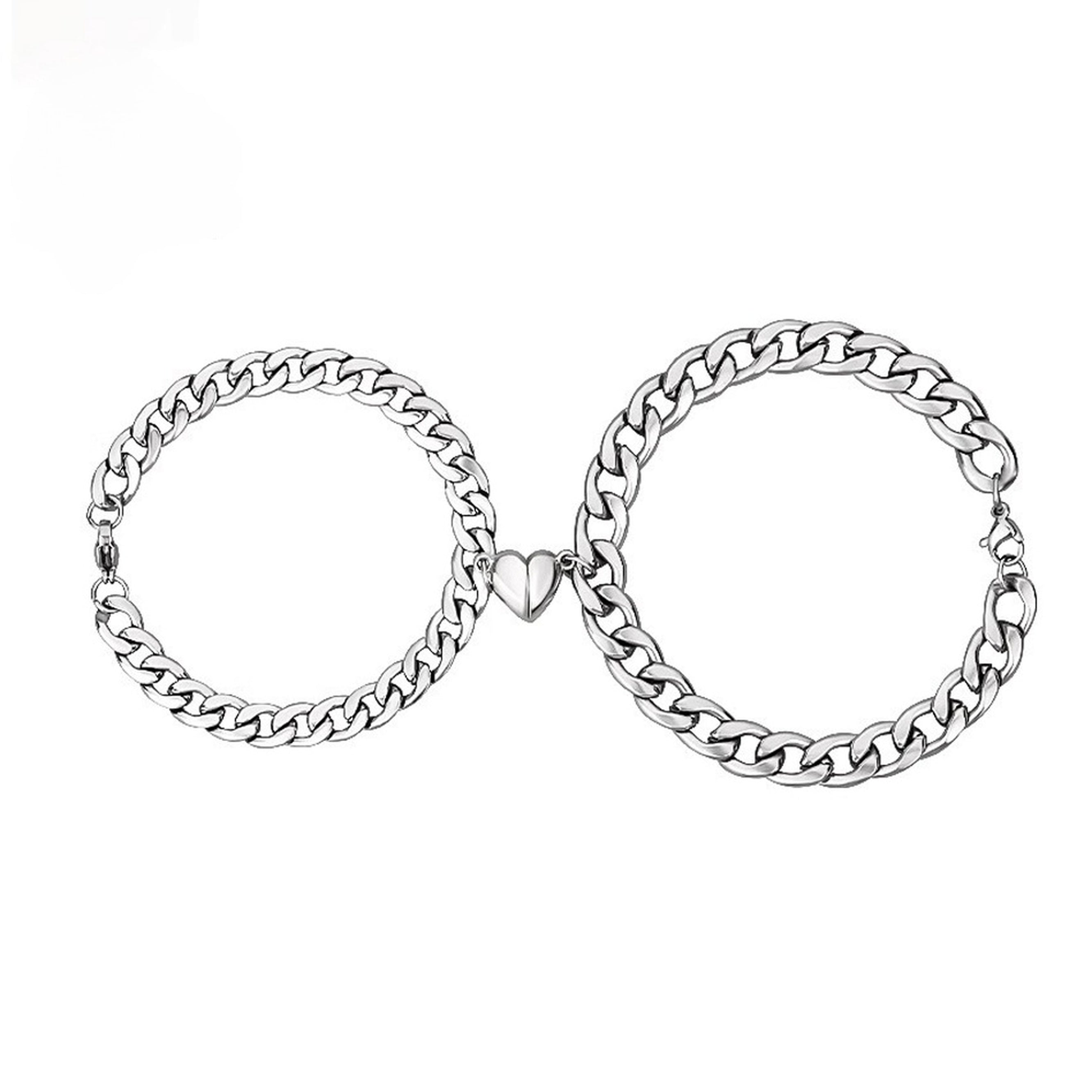
Titanium Steel Magnetic Heart Couple Bracelets – 6th Iron Anniversary Gift -
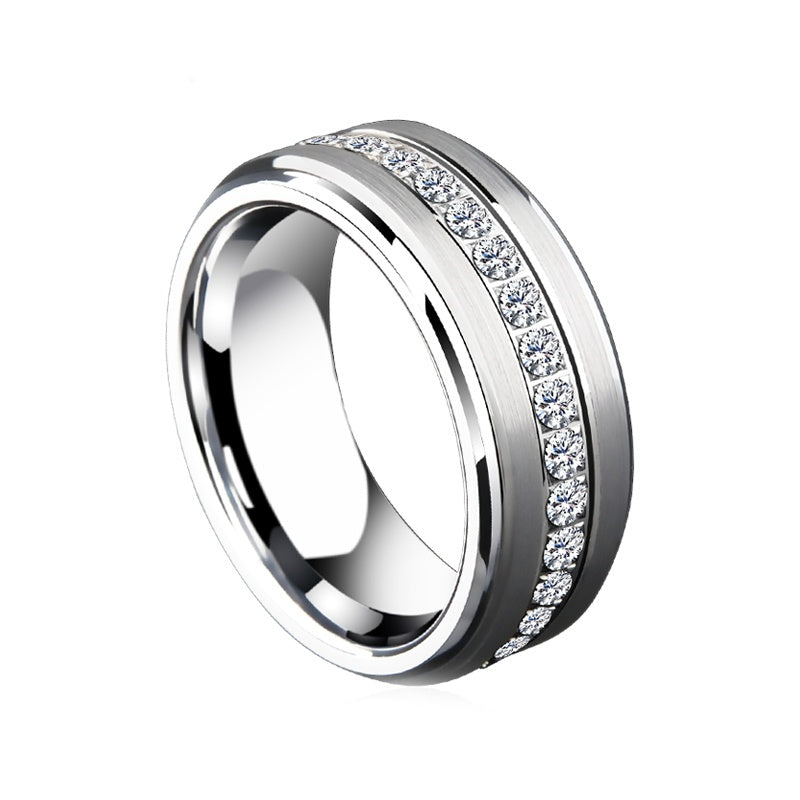
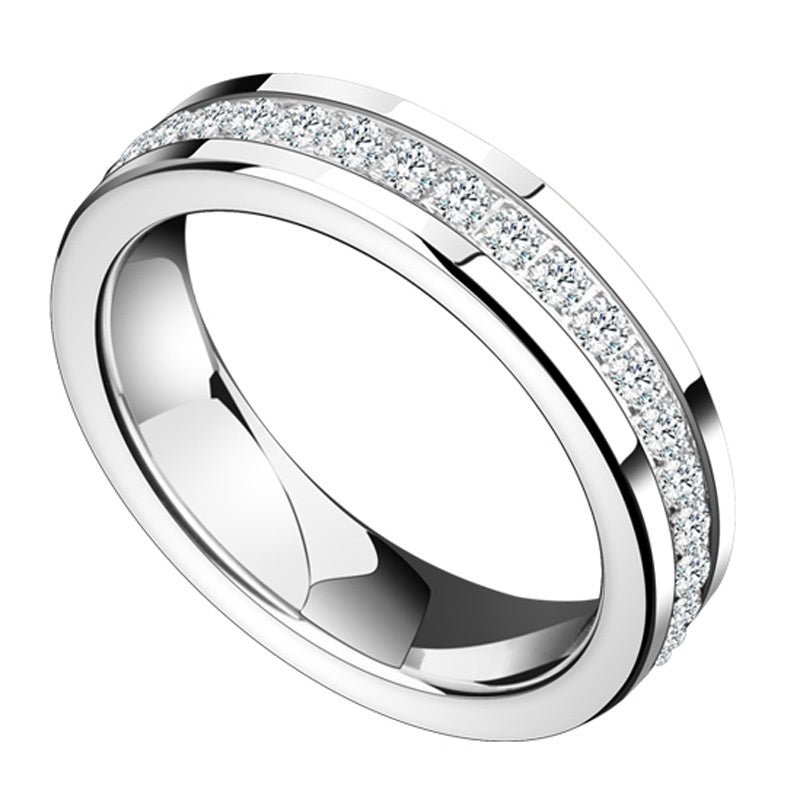
Tungsten Zircon Spinner Ring – 6th Iron Anniversary Gift -
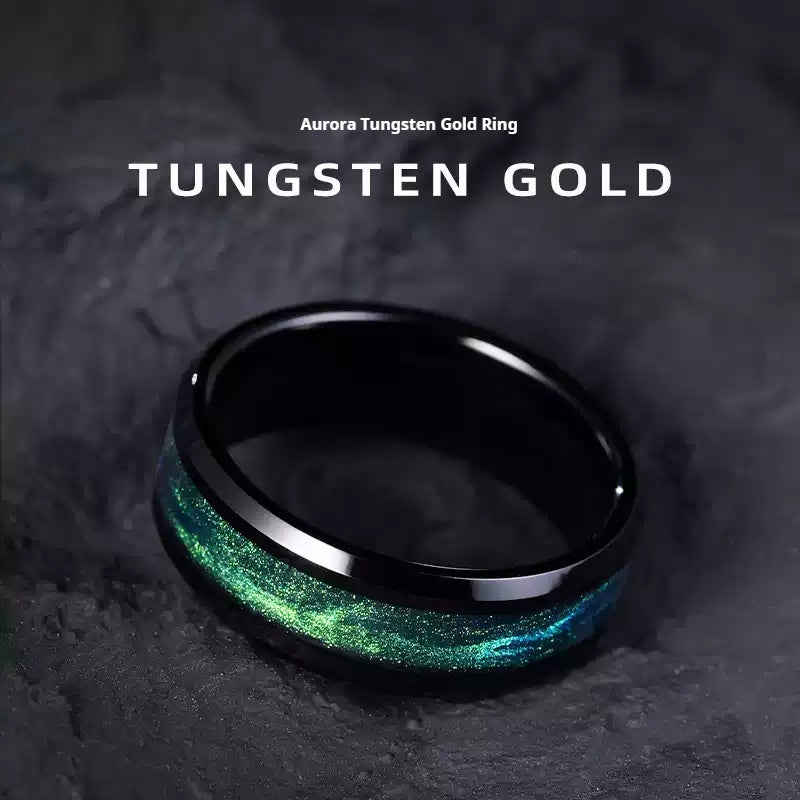
Tungsten Aurora Ring – 6th Iron Anniversary Gift -
Tungsten Spinner Couple Rings – 6th Iron Anniversary Gift -
Tungsten Meteorite-Pattern Couple Rings – 6th Iron Anniversary Gift -
Lucky Clover & Horseshoe Cufflinks – 6th Anniversary Gift for Him -
Horseshoe Omega Cufflinks – 6th Anniversary Gift for Him -
Brass Horseshoe Cufflinks – 6th Anniversary Gift for Him
How is Topaz formed, and where is it mainlyproduced?
Topaz forms through hydrothermal crystallization: mineral-rich hot fluids (containing aluminum and fluorine) cool and crystallize in igneous rocks like granite or pegmatites. Major production areas include Brazil (for imperial topaz), Sri Lanka, Xinjiang (China), and the United States.
How to distinguish genuine Topaz from fakes?
Genuine topaz has a Mohs hardness of 8 (scratch-resistant to a knife), a bright glassy luster, and a heavy feel (high density); it may show natural cleavage planes. Fakes (e.g., glass) have lower hardness (scratched by a knife), softer luster, and lighter weight; synthetic topaz often has uniform color but lacks natural inclusions.
Is Topaz’s hardness suitable for daily wear?
With a Mohs hardness of 8, topaz is quite hard and wear-resistant for daily use. However, it has brittleness and cleavage—collisions may cause it to crack along cleavage planes. So it’s suitable for daily wear but needs to avoid harsh impacts.
How to maintain Topaz in daily life?
1. Avoid collisions; remove jewelry during sports/heavy work.
2. Store separately (or in a divided box) to prevent scratching/wear.
3. Clean with mild soapy water and a soft cloth; avoid ultrasonic/steam cleaners for delicate settings.
What are the common colors of Topaz?
Topaz occurs in various hues: colorless, sky-blue, golden yellow (imperial topaz), soft pink, and orange. Most blue topaz on the market is heat-treated (from colorless topaz), while natural imperial topaz (deep golden) is rare and valuable.
What are the uses of Topaz, and what to note whenpurchasing?
It’s widely used in fine jewelry (rings, pendants, earrings). When purchasing, prioritize vibrant, saturated hues (e.g., imperial topaz, sky-blue), high clarity (minimal inclusions), and excellent cutting (to enhance luster).
Shipping
Free standard shipping on orders of US$69 or more.
Handcrafted to Order
Personalized and made-to-order items, carefully prepared for you.
Return & Exchange
14-day returns for eligible non-personalized items. Personalized items are Final Sale for change-of-mind requests.