


25th Anniversary Gifts
Celebrate 25 years of marriage with gifts inspired by the Silver Anniversary. Silver symbolizes the lasting brightness and enduring value of a relationship built over a quarter of a century.
Explore sterling silver jewelry, silver-toned designs, and meaningful anniversary keepsakes for couples. Whether choosing a necklace, ring, earrings, or bracelet, check individual product specifications to confirm the metal composition and finish.
-
Sterling silver jewelry where specified
-
Silver-themed anniversary gifts
-
Meaningful keepsakes for couples
-
Thoughtful gifts for a spouse or parents
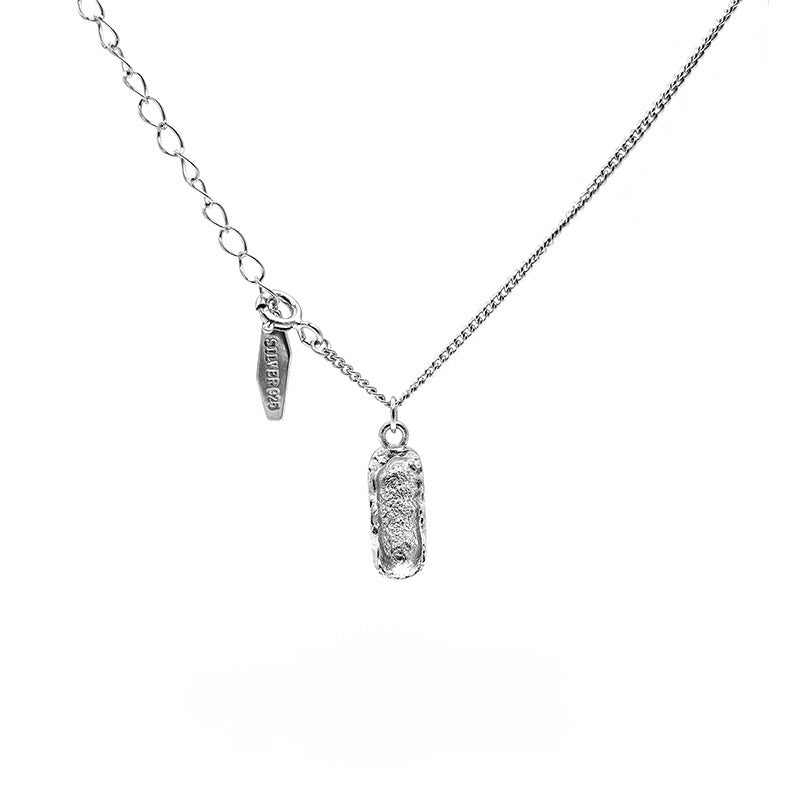
-
Tin-Foil Texture Sterling Silver Ingot Necklace – 10th Anniversary Gift 
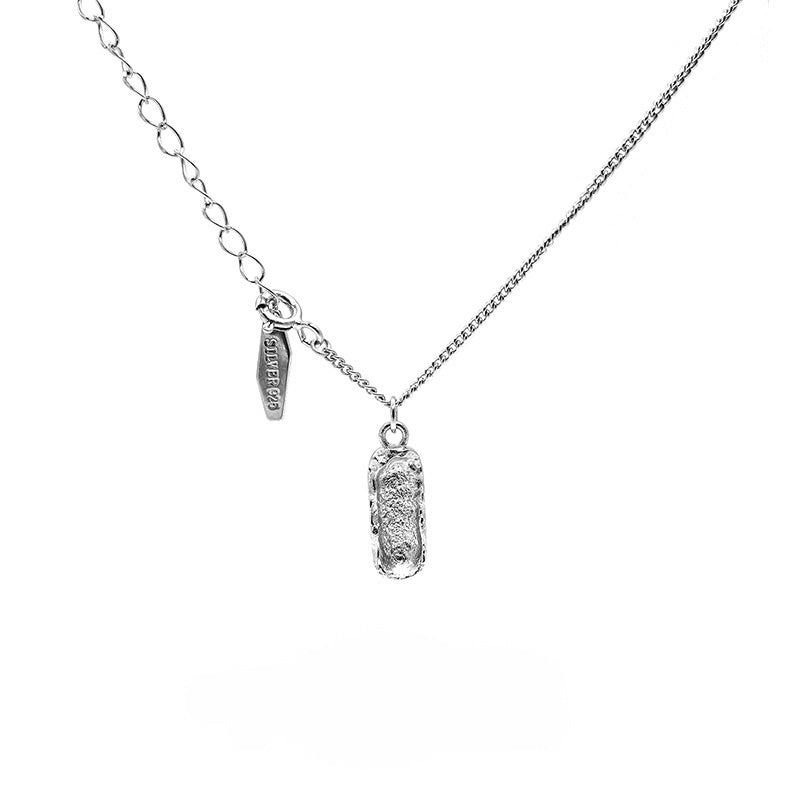


Tin-Foil Texture Sterling Silver Ingot Necklace – 10th Anniversary Gift
$175.00 USD -
925 Silver Apple Slice Ring – 4th Anniversary Gift for Her 
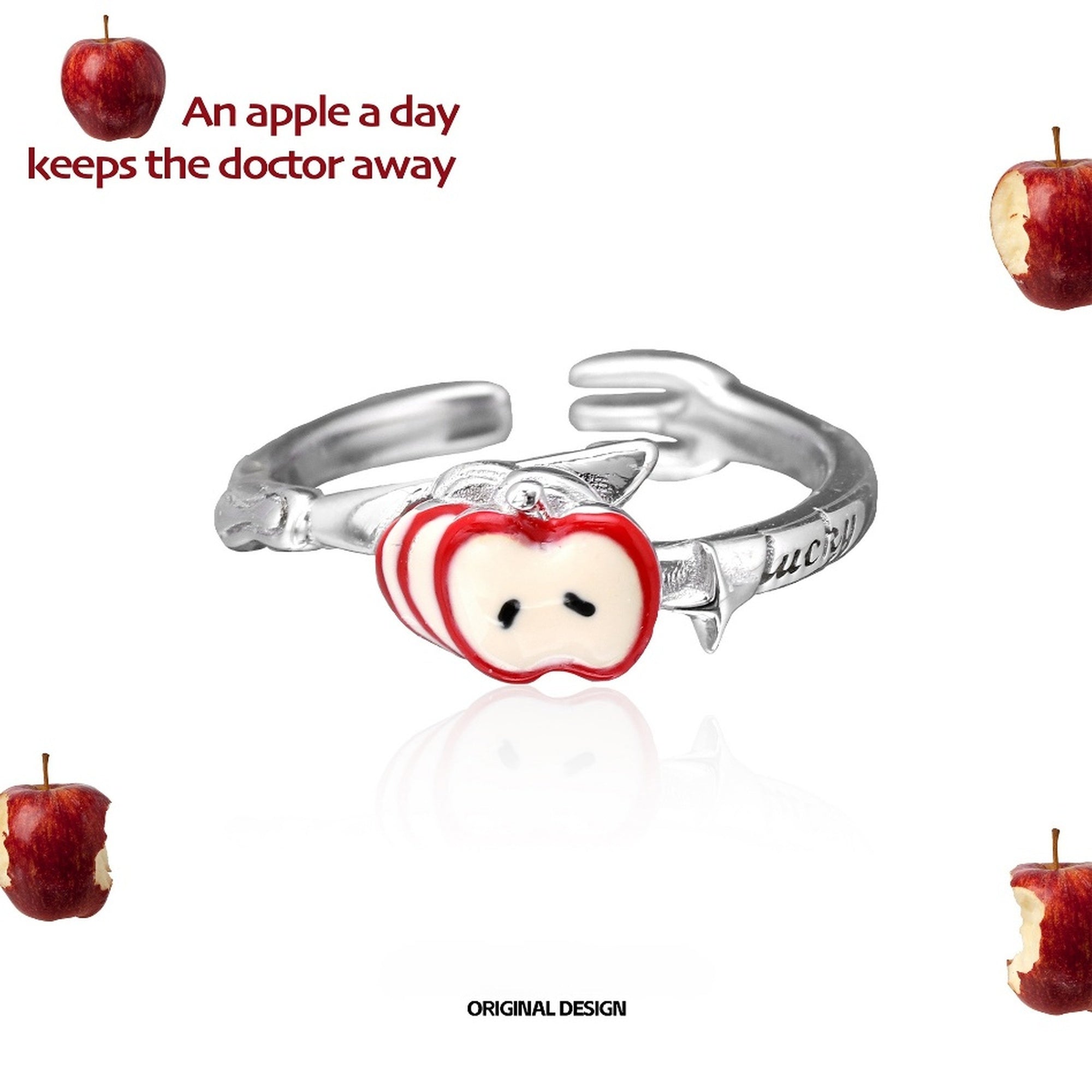


925 Silver Apple Slice Ring – 4th Anniversary Gift for Her
$165.00 USD -
Four-Stone Emerald Floral Pendant Necklace 


Four-Stone Emerald Floral Pendant Necklace
$202.00 USDFour-Stone Emerald Floral Pendant Necklace
$202.00 USD -
Six-Claw Ruby Necklace S925 Silver -
Moon and Star Pearl Planet Drop Earrings in S925 Silver 


Moon and Star Pearl Planet Drop Earrings in S925 Silver
$232.00 USD -
3D Lucky Clover Hetian Jade Stud Earrings S925 Silver Women's Style 


3D Lucky Clover Hetian Jade Stud Earrings S925 Silver Women's Style
$259.00 USD -
Oval Sapphire Halo Ring with Split Shoulders 


Oval Sapphire Halo Ring with Split Shoulders
$359.00 USDOval Sapphire Halo Ring with Split Shoulders
$359.00 USD -
Custom Sand Art Portrait · Personalized Photo Frame Gift 


Custom Sand Art Portrait · Personalized Photo Frame Gift
$145.00 USD -
Custom LED Anniversary Photo Frame · Personalized Night Light Gift 


Custom LED Anniversary Photo Frame · Personalized Night Light Gift
$119.00 USD -
Custom Hand-Stamped Brass Plaque · Personalized Engraved Gift on Walnut Stand 


Custom Hand-Stamped Brass Plaque · Personalized Engraved Gift on Walnut Stand
$126.00 USD -
Custom Brass Engraved Frame · Personalized Walnut Light Box Gift 


Custom Brass Engraved Frame · Personalized Walnut Light Box Gift
$159.00 USD -
Custom Heart Brass Plaque on Walnut Base · Personalized Anniversary Gift 


Custom Heart Brass Plaque on Walnut Base · Personalized Anniversary Gift
$135.00 USD


