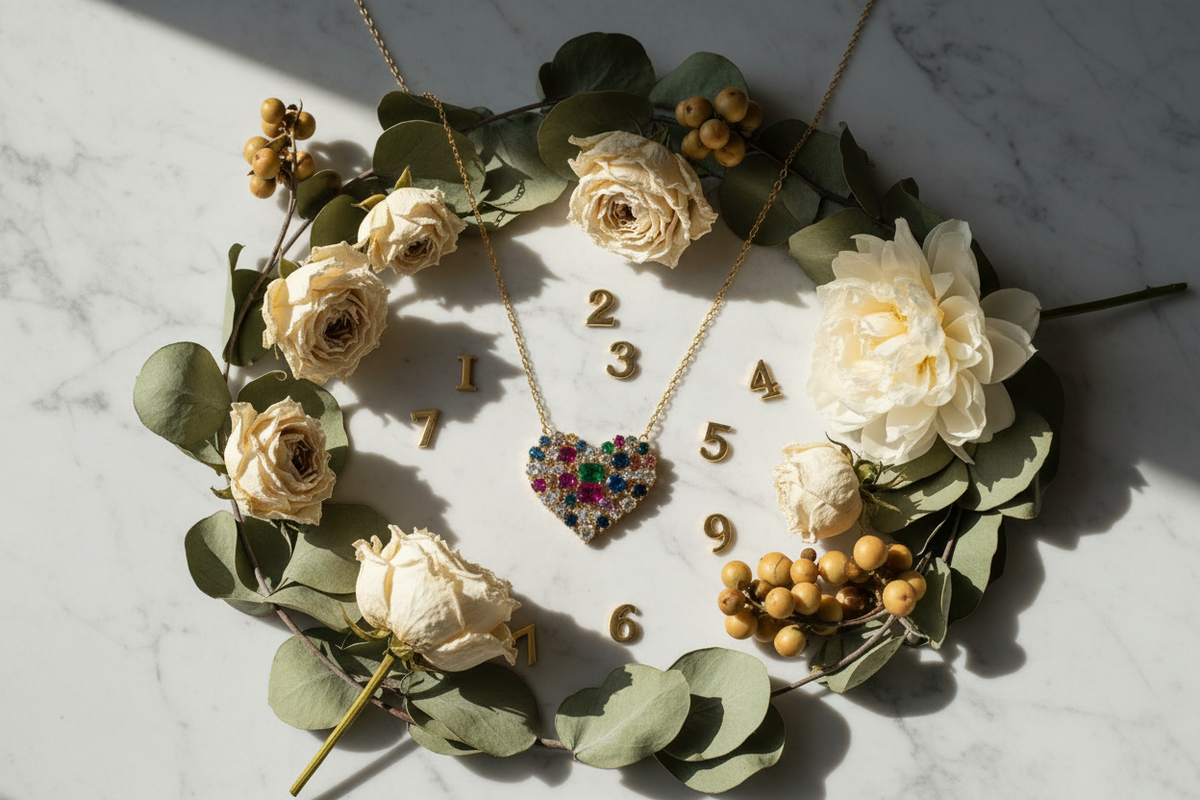


Alexandrite Earrings
Elevate your look with our Alexandrite Earrings—featuring the gem’s captivating green-to-red color transition. Available in stud, drop, or hoop styles, these pieces blend subtle daily elegance and eye-catching event charm. Each pair leans into alexandrite’s unique, luminous hue shift for a distinctive touch.


What is an alexandrite?
It’s the most famous color-changing variety of the rare chrysoberyl mineral. Known as “emerald by day, ruby by night”, it shifts from bluish-green in daylight to purplish-red in incandescent light.
Why does alexandrite change color?
This effect is caused by trace chromium (paired with iron) in the gem, which creates a broad absorption band around 580nm in the color spectrum. This leaves red and green transmission windows: the gem shows red in red-rich light, and green in blue-rich light. This is called the “color-change phenomenon” (or “alexandrite effect”).
What is alexandrite’s hardness and durability, and is it suitable for daily wear?
It ranks 8.5 on the Mohs scale, with excellent toughness and no cleavage (a tendency to break along specific planes). This makes it ideal for daily-worn jewelry like rings, as it resists chipping and scratching.
How to properly clean and care for alexandrite?
It’s safe to clean it with warm soapy water; ultrasonic/steam cleaners work for untreated stones. Fracture-filled alexandrites should only use warm soapy water. Avoid exposing it to harsh chemicals (e.g., bleach) for protection.
What’s the difference between lab-grown alexandrite and imitations?
Lab-grown alexandrites (e.g., Chatham’s) share the same physical/chemical properties as natural ones, with vivid green-to-red color change. Imitations (e.g., treated synthetic sapphires) only shift slightly from blue to purple, not the true green-to-red effect.
What is the discovery history of alexandrite?
It was first discovered in Russia’s Ural Mountains (1830) by emerald miners (who mistook it for emerald at first). Named after Czar Alexander II (matching Russia’s imperial flag colors), 19th-century Russian specimens had superb quality. Today, most come from Sri Lanka/East Africa/Brazil, but with less distinct color change.
Shipping
Free standard shipping on orders of US$69 or more.
Handcrafted to Order
Personalized and made-to-order items, carefully prepared for you.
Return & Exchange
14-day returns for eligible non-personalized items. Personalized items are Final Sale for change-of-mind requests.